

What was the Green Book?
The Green Book—officially The Negro Motorist Green Book—was a guide created to help Black travelers find businesses and lodging where they could expect service, dignity, and safety during segregation.
It listed hotels, restaurants, gas stations, and homes that welcomed Black travelers—offering practical help and protection in a world that often denied both.
Why it mattered
For many families, travel required strategy. The Green Book reduced uncertainty by pointing people toward safe places, trusted communities, and businesses that honored human dignity.
It also supported an economy—circulating dollars among those who chose integrity, respect, and fair service.
Tap an image to view it in full.


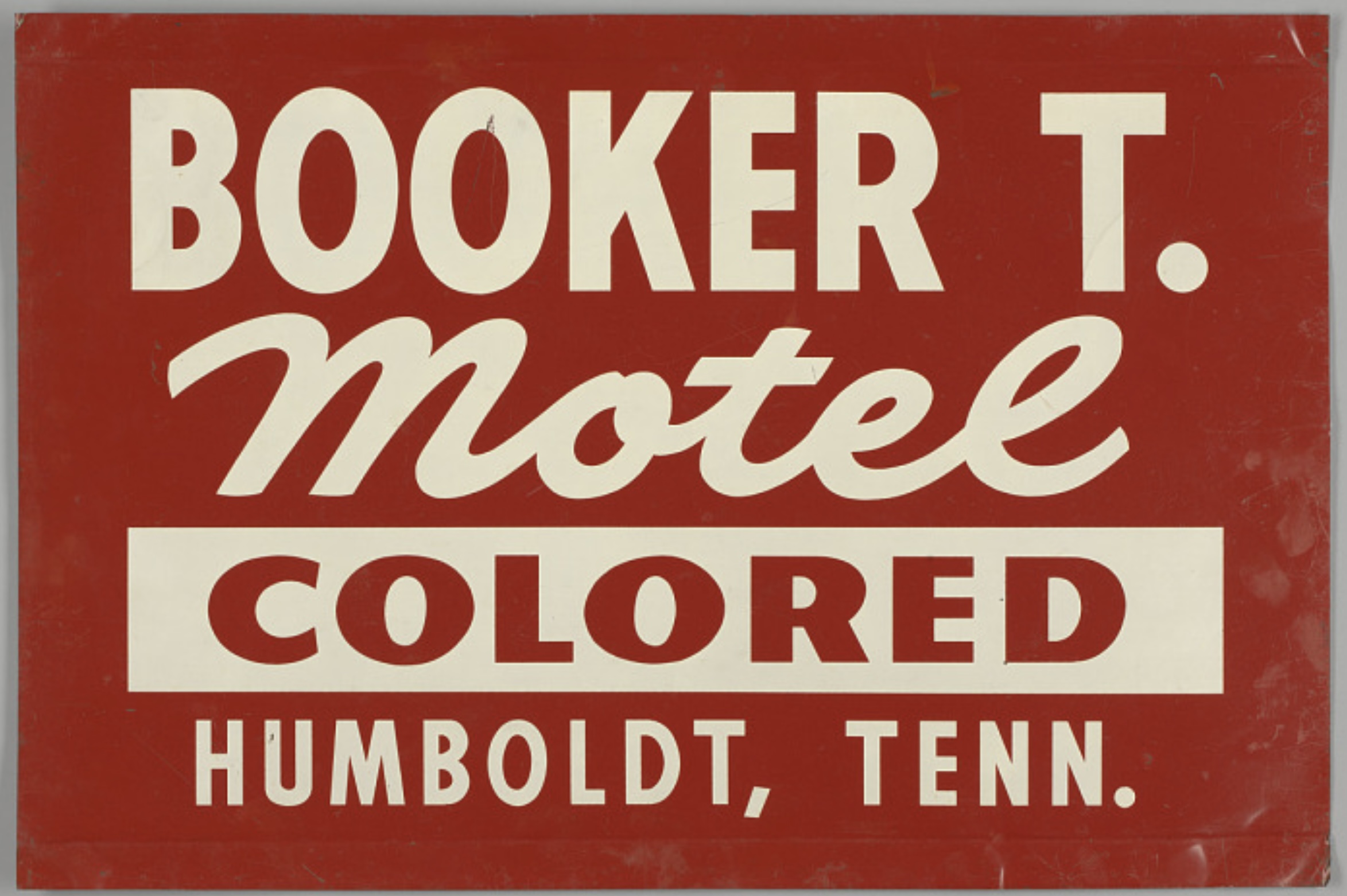

First publication
The Green Book begins as a practical guide—helping Black motorists locate services and lodging where they could be treated with dignity.
Expansion and wider reliance
As automobile travel grows, the guide becomes essential—connecting travelers to a network of trusted places across regions.
Transition era
As civil rights laws change, the need for the guide shifts—yet the legacy of community protection and economic circulation remains.
A modern revival for global movement
The International Greenbook carries the spirit forward—helping the diaspora move with confidence through verified information and trusted providers.
Legacy, renewed
The original Green Book was a community tool—built to protect dignity and expand access. The modern need is different, but the principle remains: trusted networks help people move safely and confidently.
Explore Verified Businesses%20(300%20x%20150%20px).png)